Which Myopia Treatment Is Right for My Child?
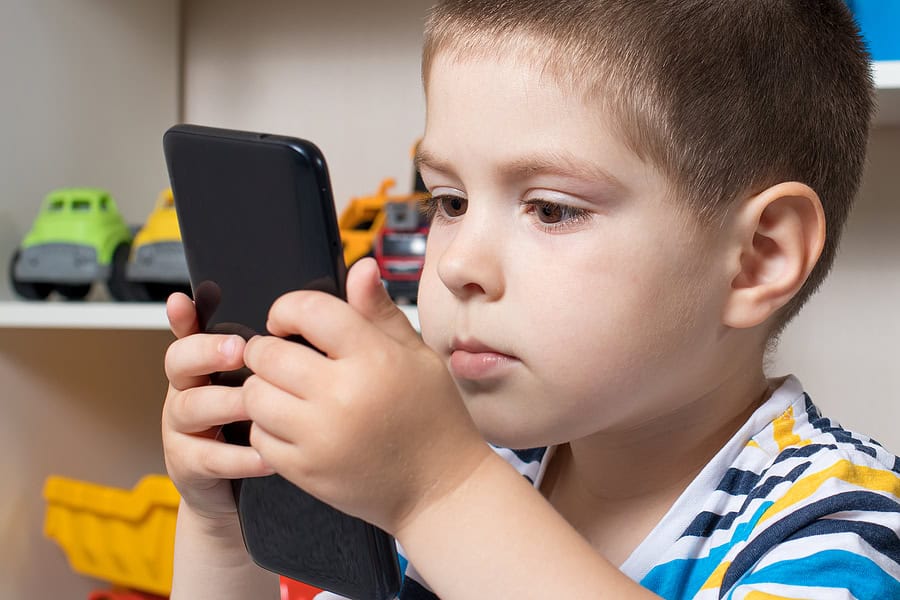
If your child has been diagnosed with myopia (nearsightedness), you’ve probably discovered there are several treatment options available. You may have heard about MiSight® contact lenses, Stellest™ lenses, orthokeratology (Ortho-K), or low-dose atropine eye drops—and you may be wondering which one is best.
The answer may surprise you:
There isn’t one treatment that’s best for every child.
Every child is different. Their age, prescription, eye growth, daily activities, maturity, and family goals all play an important role in determining which myopia management treatment is most appropriate.
That’s why a comprehensive evaluation is one of the most important steps in helping protect your child’s long-term vision.
Why Myopia Management Is Different Than a Regular Eye Exam
A standard eye exam measures how clearly your child sees today.
Myopia management goes much further.
The goal isn’t simply to help your child see clearly—it’s to slow the progression of myopia and reduce the risk of serious eye diseases later in life that are associated with excessive eye growth, including retinal detachment, glaucoma, myopic macular degeneration, and cataracts.
Choosing the right treatment begins with understanding why your child’s myopia is progressing and how quickly their eyes are growing.
At Treehouse Eyes, every child receives a comprehensive myopia evaluation designed specifically for pediatric eye care and myopia management.
Four Proven Treatments for Myopia Management
Today, there are four evidence-based treatment approaches shown to slow myopia progression. Each works differently, and each has advantages depending on your child’s individual needs.
Specialized Soft Contact Lenses (MiSight® and Similar Designs)
Daily disposable soft contact lenses designed specifically for myopia management—such as MiSight® 1 day—both correct vision and help slow the progression of myopia.
These lenses can be an excellent choice for many active children who are comfortable wearing contact lenses and prefer freedom from glasses during sports, school, and other activities.
Best suited for:
- Children ready to wear contact lenses responsibly
- Active lifestyles
- Families seeking a daily disposable option
Custom Overnight Contact Lenses (Orthokeratology / Ortho-K)
Orthokeratology, often called Ortho-K, uses specially designed custom contact lenses worn while sleeping.
During the night, the lenses gently reshape the front surface of the eye so children can typically see clearly during the day without glasses or contact lenses.
Ortho-K can be an excellent option for children involved in sports, swimming, or other activities where daytime glasses or contacts may be inconvenient.
Best suited for:
- Active children
- Competitive athletes
- Families comfortable with overnight lens wear
Low-Dose Atropine Eye Drops
Low-dose atropine eye drops have been shown to slow myopia progression in many children.
Because they don’t directly correct vision, atropine is often combined with glasses or contact lenses depending on the child’s visual needs.
For some children, atropine may be recommended alone. For others, it may be part of a combination treatment plan.
Best suited for:
- Younger children
- Children who may not yet be ready for contact lenses
- Certain patterns of myopia progression
Stellest™ Myopia Control Glasses
For families who prefer glasses, Stellest™ lenses provide an exciting option.
Unlike traditional glasses, Stellest lenses are specifically designed to both correct vision and help slow the progression of myopia using innovative lens technology supported by clinical research.
They offer a familiar, non-invasive solution for children while providing an effective myopia management option.
Best suited for:
- Children who prefer glasses
- Younger patients
- Families looking for a non-contact lens option
The Best Treatment Depends on Your Child
Although all four treatments have demonstrated effectiveness, selecting the right option involves much more than choosing a product.
Our eye doctors consider many factors, including:
- Age
- Current prescription
- Rate of myopia progression
- Eye health
- Axial length (eye growth)
- Lifestyle and activities
- Sports participation
- Ability to handle contact lenses
- Family preferences and goals
In many cases, treatment recommendations may also evolve over time as your child grows.
Why Measuring Axial Length Matters
One important difference between a routine eye exam and a comprehensive myopia evaluation is measuring axial length.
Axial length measures how long the eye is.
As myopia progresses, the eye becomes longer. Monitoring this growth gives our doctor valuable information about whether treatment is working—even before significant prescription changes occur.
Treehouse Eyes practices use advanced technology, including an optical biometer, to accurately measure axial length as part of our clinical protocol.
This information helps guide treatment decisions and monitor your child’s progress throughout care.
Data-Driven Care Through the Treehouse Vision System
Every Treehouse Eyes practice follows the Treehouse Vision System, our proprietary clinical protocol developed specifically for pediatric myopia management.
The Treehouse Vision System combines clinical research, advanced diagnostic testing, treatment protocols, and one of the nation’s largest collections of real-world myopia management data to help doctors make informed, evidence-based treatment recommendations for each child.
Rather than taking a one-size-fits-all approach, the Treehouse Vision System helps ensure every recommendation is individualized based on your child’s clinical findings and lifestyle.
Why Families Choose Treehouse Eyes for Myopia Management
While many eye care practices offer one or two myopia management treatments, Treehouse Eyes practices offer comprehensive pediatric myopia management.
Our doctors receive advanced training in evaluating childhood myopia progression and follow standardized clinical protocols developed specifically for myopia management.
Combined with advanced diagnostic equipment—including optical biometry—and ongoing monitoring, this allows us to tailor treatment recommendations to each child and adjust care as their eyes develop.
Schedule a Comprehensive Myopia Evaluation
If your child’s prescription has been increasing each year, now is the time to learn about today’s proven myopia management options.
A comprehensive evaluation can help determine which treatment approach is the best fit for your child’s eyes, lifestyle, and long-term vision goals.
Schedule an appointment with our practice today to see if your child is a candidate for myopia management.